NEAR NORTH STREET 8 JULY 2026
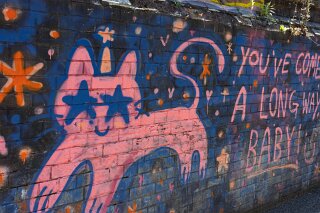
ROSEMARY STREET AND THE LANEWAY OFF IT WHICH FEATURES EXAMPLES OF STREET ART [BELFAST JULY 2026]
Rosemary Street: A Corner of Contrast
The pocket of Belfast city centre bounded by Rosemary Street, North Street, and Lower Garfield Street holds some of the city's finest architectural heritage alongside its most stubborn urban blight. It is a microcosm of Belfast's complex relationship with preservation, development, and street culture.
1. The Church: First Presbyterian Church
Tucked into Rosemary Street sits First Presbyterian Church (First Church Belfast), the city’s oldest surviving place of worship, opened in 1783. Designed by Roger Mulholland, its unassuming red-brick exterior hides a striking, radical interior layout: an elegant, elliptical (oval) auditorium with a beautiful tiered gallery.
Historically, this church was a hotbed of Enlightenment thinking and liberal Presbyterianism (New Light), with close ties to the United Irishmen movement and early anti-slavery campaigns in Belfast. Today, it stands as a quiet, beautifully preserved architectural anchor in an otherwise deeply disrupted quarter.
2. The Street Art Laneway
Running tightly along the side of the church is a narrow, cobbled laneway that transitions into the broader urban art movement of the Cathedral Quarter. Rather than the political murals found in the suburbs, this lane features contemporary, vibrant street art curated by local collectives and events like the annual Hit the North festival. This visual energy serves as a striking, modern layer against the 18th-century church brickwork, turning a functional passage into an open-air gallery.
3. The Car Park and North Street Exit
Immediately behind the historic church lies a stark contrast: a sprawling, makeshift surface car park occupying a highly visible derelict site. It opens out onto North Street, a thoroughfare currently marred by boarded-up storefronts and decaying facades. This space was cleared during various phases of urban planning and neglect, serving for years as cheap parking while the fabric of the surrounding city blocks slowly decayed around it.
Why Redevelopment Has Stalled for Decades
The stagnation of this area—most visibly felt on Lower Garfield Street and North Street—is tied directly to a massive, highly controversial £500 million masterplan known most recently as "Tribeca Belfast" (and previously as the Royal Exchange project), managed by Castlebrooke Investments.
Redevelopment has remained frozen for a generation due to several deeply entrenched factors:
Heritage vs. High-Density Development: The 12-acre site contains invaluable historic fabric, including the nearby Assembly Rooms (1769) and the shell of the Art Deco North Street Arcade (destroyed by a major fire in 2004). Culturally protective campaigns, such as the Assembly Rooms Alliance and Save Cathedral Quarter, have consistently fought developer proposals that threatened to demolish historic facades, construct out-of-scale ten-storey office blocks, or drastically reduce public spaces like Writer's Square.
Planning and Legal Bottlenecks: The clash between developer ambitions and preservationists led to hundreds of formal objections, planning gridlocks, and prolonged appeals.
Economic Shifts & Inactivity: Over the years, changing market conditions, global financial crashes, and the shifting landscape of retail have disrupted the commercial viability of massive inner-city shopping and office districts.
Municipal Frustration & Vesting Threat: Because no meaningful construction has commenced despite permissions being granted years ago, public patience has entirely worn out. Belfast City Council has active discussions regarding the potential acquisition or compulsory vesting (compulsory purchase) of the failed site to wrest control back from the developer.
As a Matter of Interest: Is there an Upper Garfield Street? Yes, there is.
Garfield Street is split cleanly in two by Royal Avenue:
Lower Garfield Street runs downhill from Royal Avenue toward North Street (home to the historic Deer's Head pub, currently facing the brunt of the stalled Tribeca scaffolding and dereliction).
Upper Garfield Street extends from the opposite side of Royal Avenue, heading westward up towards the Smithfield area. Historically, it was part of the same bustling commercial district, though the construction of Royal Avenue in the late 19th century physically bisected the old street layout.
Rosemary Street: A Corner of Contrast
The pocket of Belfast city centre bounded by Rosemary Street, North Street, and Lower Garfield Street holds some of the city's finest architectural heritage alongside its most stubborn urban blight. It is a microcosm of Belfast's complex relationship with preservation, development, and street culture.
1. The Church: First Presbyterian Church
Tucked into Rosemary Street sits First Presbyterian Church (First Church Belfast), the city’s oldest surviving place of worship, opened in 1783. Designed by Roger Mulholland, its unassuming red-brick exterior hides a striking, radical interior layout: an elegant, elliptical (oval) auditorium with a beautiful tiered gallery.
Historically, this church was a hotbed of Enlightenment thinking and liberal Presbyterianism (New Light), with close ties to the United Irishmen movement and early anti-slavery campaigns in Belfast. Today, it stands as a quiet, beautifully preserved architectural anchor in an otherwise deeply disrupted quarter.
2. The Street Art Laneway
Running tightly along the side of the church is a narrow, cobbled laneway that transitions into the broader urban art movement of the Cathedral Quarter. Rather than the political murals found in the suburbs, this lane features contemporary, vibrant street art curated by local collectives and events like the annual Hit the North festival. This visual energy serves as a striking, modern layer against the 18th-century church brickwork, turning a functional passage into an open-air gallery.
3. The Car Park and North Street Exit
Immediately behind the historic church lies a stark contrast: a sprawling, makeshift surface car park occupying a highly visible derelict site. It opens out onto North Street, a thoroughfare currently marred by boarded-up storefronts and decaying facades. This space was cleared during various phases of urban planning and neglect, serving for years as cheap parking while the fabric of the surrounding city blocks slowly decayed around it.
Why Redevelopment Has Stalled for Decades
The stagnation of this area—most visibly felt on Lower Garfield Street and North Street—is tied directly to a massive, highly controversial £500 million masterplan known most recently as "Tribeca Belfast" (and previously as the Royal Exchange project), managed by Castlebrooke Investments.
Redevelopment has remained frozen for a generation due to several deeply entrenched factors:
Heritage vs. High-Density Development: The 12-acre site contains invaluable historic fabric, including the nearby Assembly Rooms (1769) and the shell of the Art Deco North Street Arcade (destroyed by a major fire in 2004). Culturally protective campaigns, such as the Assembly Rooms Alliance and Save Cathedral Quarter, have consistently fought developer proposals that threatened to demolish historic facades, construct out-of-scale ten-storey office blocks, or drastically reduce public spaces like Writer's Square.
Planning and Legal Bottlenecks: The clash between developer ambitions and preservationists led to hundreds of formal objections, planning gridlocks, and prolonged appeals.
Economic Shifts & Inactivity: Over the years, changing market conditions, global financial crashes, and the shifting landscape of retail have disrupted the commercial viability of massive inner-city shopping and office districts.
Municipal Frustration & Vesting Threat: Because no meaningful construction has commenced despite permissions being granted years ago, public patience has entirely worn out. Belfast City Council has active discussions regarding the potential acquisition or compulsory vesting (compulsory purchase) of the failed site to wrest control back from the developer.
As a Matter of Interest: Is there an Upper Garfield Street? Yes, there is.
Garfield Street is split cleanly in two by Royal Avenue:
Lower Garfield Street runs downhill from Royal Avenue toward North Street (home to the historic Deer's Head pub, currently facing the brunt of the stalled Tribeca scaffolding and dereliction).
Upper Garfield Street extends from the opposite side of Royal Avenue, heading westward up towards the Smithfield area. Historically, it was part of the same bustling commercial district, though the construction of Royal Avenue in the late 19th century physically bisected the old street layout.
A GALLERY OF STREET ART IN BELFAST